Hackney Council fines for illegal rubbish dumping
Posted on 23/10/2026
Hackney Council fines for illegal rubbish dumping: what residents and businesses need to know
If you have ever found a black bag left beside a wheelie bin, a broken wardrobe dumped on the pavement, or a pile of renovation waste abandoned after dark, you already know the feeling: frustration first, then concern. Hackney Council fines for illegal rubbish dumping are meant to deal with exactly that sort of mess. But the rules, the risks, and the next steps can feel a bit muddy if you have never dealt with fly-tipping before.
This guide breaks it down in plain English. You will learn how fines work, why they matter, what can trigger enforcement, how to avoid getting caught out, and what to do if you need rubbish removed properly in Hackney. It is practical, local, and aimed at helping you stay on the right side of the rules without the faff.
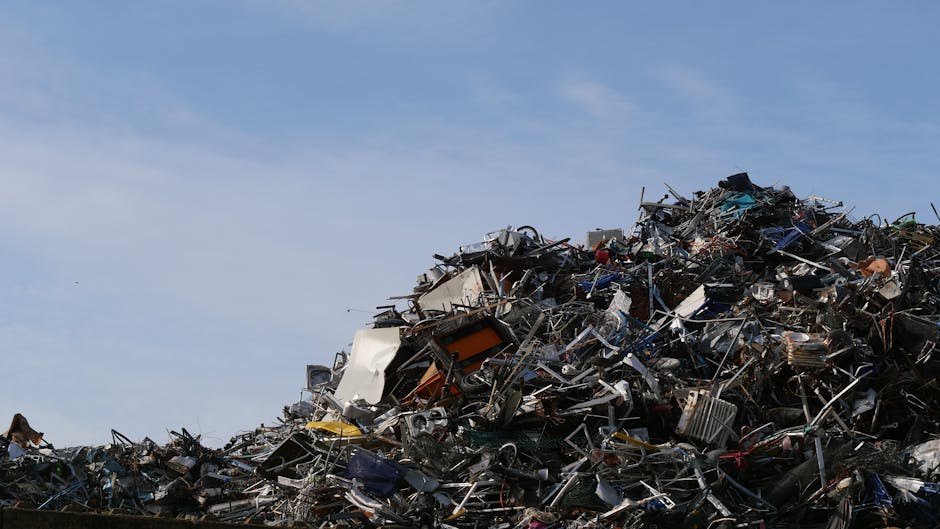
Why Hackney Council fines for illegal rubbish dumping Matter
Illegal rubbish dumping is not just an eyesore. It blocks pavements, attracts vermin, creates safety hazards, and can make a street feel neglected in a way that spreads fast. In a busy borough like Hackney, a single dumped mattress or builder's sack can become a bigger issue by the end of the day. People notice. Residents complain. Businesses lose goodwill. And yes, enforcement can follow.
The key point is simple: fly-tipping is not treated as a harmless shortcut. Even if someone thinks they are "just leaving it by the bin for collection," it can still count as illegal dumping if it is placed where it should not be. That is where fines come in. They are designed to deter careless disposal and to encourage people to use the proper waste channels.
There is also a wider community effect. One pile of rubbish can lead to more rubbish. It sounds dramatic, but anyone who has lived near a problematic corner knows the pattern. Once an area looks ignored, others sometimes add to it. The result is more mess, more cost, and more time spent clearing up something that should never have been left there in the first place.
Practical takeaway: if waste is not being handed to the right collection service, taken to a proper facility, or placed where it is explicitly permitted, assume there is a risk of enforcement. That is the safest mindset.
How Hackney Council fines for illegal rubbish dumping Works
In broad terms, enforcement for illegal dumping usually starts with an incident being reported or observed. Council teams may investigate by looking for evidence in the waste itself, checking nearby CCTV where available, or following up on witness information. If there is enough evidence, a fixed penalty or other enforcement action may be issued. In more serious cases, prosecution is possible. The exact approach depends on the circumstances, the volume of waste, and who is believed to be responsible.
It is worth being clear here: not every rubbish-related issue leads to a fine. Sometimes the situation is about missed bin collections, overfilled containers, or a one-off mistake that needs correction rather than punishment. But once waste has been deliberately dumped, or someone has failed to follow disposal rules, the matter changes quickly.
For residents, a common misunderstanding is thinking that putting rubbish next to a full communal bin is acceptable. It usually is not. For businesses, the risks can be higher because trade waste must be managed properly and not treated like household rubbish. Builders, landlords, and anyone arranging clearances also need to be careful about duty of care. If a waste carrier is unlicensed or careless, the person who arranged the disposal can still end up dealing with the consequences. Annoying, yes. But that is how responsibility often works.
If you are comparing legal disposal options, it helps to think in terms of control, proof, and convenience. For example, a reputable waste collection in Hackney gives you a cleaner paper trail than leaving items outside and hoping for the best. That little bit of organisation can save a lot of trouble later.
What usually triggers enforcement
- Waste left on the street without permission
- Household bags dumped beside bins rather than inside them
- Builder's waste left after a job ends
- Furniture, mattresses, or bulky items abandoned in public space
- Waste put out on the wrong day or in the wrong place
- Evidence linking dumped waste to a person or business
Why the council takes it seriously
Because the problem is visible, disruptive, and expensive to clear. Also, to be fair, the public expects action. People are quick to spot dumped rubbish on a narrow Hackney street, especially after a wet evening when it starts to smell a bit. Nobody wants that hanging around for long.
Key Benefits and Practical Advantages
Understanding the enforcement side of illegal dumping is useful, but there is a more practical benefit too: it helps you avoid accidental mistakes. When people know what gets them into trouble, they are usually better at choosing the right disposal route, keeping records, and asking the right questions before waste leaves the property.
There is also a time-saving angle. If you are handling a move, a clear-out, a renovation, or a small business shutdown, the last thing you want is an avoidable enforcement issue slowing everything down. A proper disposal plan can keep the job moving and reduce stress. Simple enough, but often missed.
- Fewer legal risks: you are less likely to face fines or follow-up action.
- Cleaner property frontages: which matters for both homes and businesses.
- Better compliance records: especially useful for landlords, letting agents, and contractors.
- Less conflict with neighbours: nobody enjoys being the person blamed for a messy pavement.
- More predictable costs: planned disposal is usually cheaper than fixing a mistake after the fact.
Another quiet benefit is peace of mind. Not glamorous, I know. But when the bins are sorted, the waste is removed properly, and you know where it went, you stop thinking about it. That is worth something.
Who This Is For and When It Makes Sense
This topic matters to a surprisingly wide group of people. In practice, it is not only for people who have already had a warning or a fine. It is for anyone who deals with rubbish in Hackney and wants to avoid problems before they start.
Residents
If you live in a flat, house, or shared property, you may need to understand what counts as acceptable bin use, what to do with bulky waste, and how to avoid leaving items in communal areas. A small error can become a complaint very quickly, especially in shared blocks.
Landlords and letting agents
End-of-tenancy clear-outs can create grey areas. Who removed the waste? Was it left on the pavement? Was the contractor licensed? These questions matter, and not just on paper. A landlord or agent who does not check properly can face extra costs and headaches they really did not need.
Businesses and shops
Retail waste, packaging, and trade rubbish should be handled with care. If your premises produce regular waste, you need a system that works day to day, not something improvised on a busy Friday morning. That includes knowing what happens when the bins overflow.
Builders, decorators, and tradespeople
Construction and refurbishment work is one of the most common sources of fly-tipping complaints. That does not mean every tradesperson is careless, of course. It just means the margin for error is small. A few sacks or boards left behind can create a big problem fast.
Anyone arranging a clear-out
If you are clearing a loft, garage, office, or probate property, the safest approach is to plan disposal before the van arrives. Otherwise you end up in that awkward halfway stage where items are already outside and nobody wants to own them. Not ideal.
Step-by-Step Guidance
If you want to avoid Hackney Council fines for illegal rubbish dumping, the best approach is boring but effective: plan, document, and dispose of waste properly. Here is a simple process that works in the real world.
Step 1: Identify what needs to go
Separate household waste, bulky items, garden waste, and trade waste. Different waste streams often need different handling. A sofa is not the same as a pile of broken plasterboard, and treating them the same is where people get into trouble.
Step 2: Check what your normal collection can accept
Not everything belongs in a standard bin collection. If you are dealing with excess rubbish, damaged furniture, or renovation debris, you may need a dedicated disposal option. For households, it helps to review local collection guidance rather than guessing and hoping the collection crew will "sort it out." That rarely ends well.
Step 3: Choose a legitimate disposal route
Use an approved service or arrange a lawful collection. If you hire someone else, check that they are suitable for the job and that they handle waste responsibly. If waste is dumped after collection, the paperwork and messages you kept may become important.
Step 4: Keep evidence
Save invoices, booking confirmations, and messages. If you are a landlord, business owner, or contractor, keep these records somewhere sensible. You do not need a filing system worthy of a solicitor, but you do need enough evidence to show what happened.
Step 5: Make sure nothing is left on the street
This is the bit people get wrong most often. Items should not be left outside unless the arrangement explicitly allows it. If there is any doubt, do not put it out. It really is that straightforward.
Step 6: Follow up quickly if something goes wrong
If waste has been left behind, contact the responsible party immediately. If a collection is delayed, do not assume the mess can stay there indefinitely. Small delays happen. It is the leaving-it-there-for-days part that becomes a problem.
Step 7: Report illegal dumping where appropriate
If you spot dumped waste on your street, report it through the proper local route rather than moving it yourself unless it is safe and permitted. The sooner it is flagged, the sooner it can be dealt with. And yes, a clean street usually encourages a cleaner street. Funny how that works.
Expert Tips for Better Results
In our experience, most rubbish problems are not caused by one giant mistake. They are caused by a few small assumptions stacking up. That is why a few simple habits make such a difference.
- Do not rely on verbal agreements alone. If you have arranged waste removal, get the details in writing.
- Ask how waste will be handled. A decent provider should be able to explain the process without sounding vague.
- Take photos before collection. It sounds a bit fussy, but it can help if there is later disagreement.
- Plan for access. Narrow streets, tight stairwells, and permit restrictions can all affect collection timing.
- Keep bulky items together. Spread-out waste is harder to manage and more likely to create issues.
- Be careful with shared bins. In communal blocks, one resident's overflow becomes everyone's problem.
A small detail can save a lot of hassle. For example, if you are arranging a larger clearance, ask whether the team can handle awkward access or heavy items properly. That matters in Hackney more than people expect, because tight streets and busy pavements do not always make disposal easy.
There is also a good habit worth repeating: never assume someone else has permission to leave waste where they have left it. Repetition helps here because it is such a common trap. Never assume. Not even once.
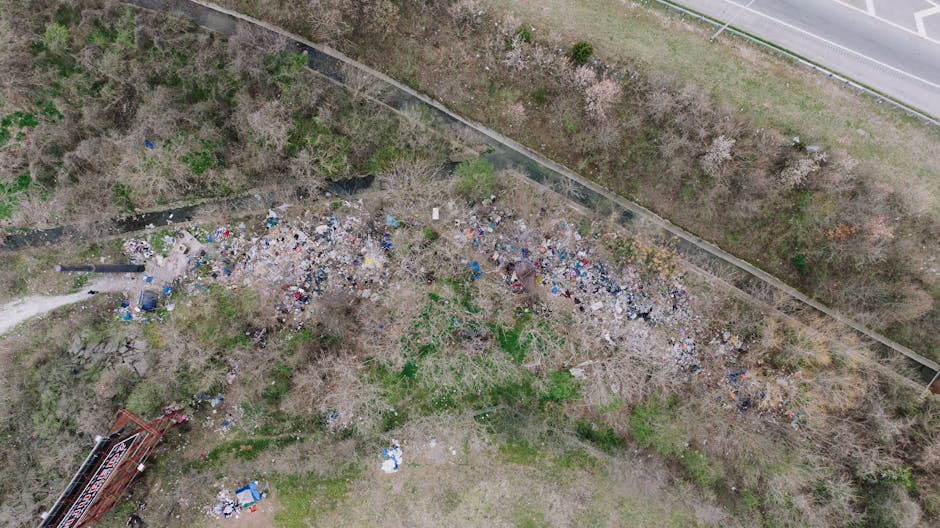
Common Mistakes to Avoid
Here are the mistakes that most often lead to complaints, enforcement, or just plain inconvenience. Some are obvious in hindsight. At the time, they often look harmless.
- Leaving bags beside a full bin: this is one of the quickest ways to create a dumping issue.
- Dumping after a move-out: end-of-tenancy clearances often create confusion over responsibility.
- Using an unsuitable waste carrier: if waste goes missing after collection, the fallout can land on you.
- Mixing trade and household waste: that can complicate disposal and cause compliance issues.
- Waiting too long to book removal: a room full of waste is one thing; waste blocking a pavement is another.
- Assuming small amounts are harmless: one bag can become a bigger problem if it is left in the wrong place.
- Ignoring access problems: if the collection team cannot get in safely, the job may be delayed or left incomplete.
There is also a human mistake that crops up a lot: "I'll sort it tomorrow." Fair enough, sometimes life gets in the way. But rubbish has a habit of becoming more visible, not less, overnight.
Tools, Resources and Recommendations
You do not need fancy systems to avoid illegal dumping problems. A few practical tools and habits go a long way.
Useful things to keep to hand
- A phone camera for time-stamped photos
- Booking confirmations and receipts
- Basic notes on what was collected and when
- Access instructions for contractors
- A simple checklist for moves, refits, or clear-outs
Services worth considering
If you are dealing with bulky items, garden waste, office rubbish, or post-renovation debris, a dedicated clearance service is often easier than trying to piece together multiple trips and skip arrangements. For example, some readers find a specialist builders waste disposal in Hackney more practical than trying to manage mixed rubble and packaging themselves. Others prefer a straightforward furniture disposal service when sofas, wardrobes, and cabinets are taking up space.
If the job is bigger, a house clearance in Hackney or an office clearance service can be the cleaner option. The point is not to oversell any one method. It is to choose the right one for the type and volume of waste you actually have.
When to think twice
If a quote feels vague, if the person collecting waste cannot explain where it goes, or if there is pressure to leave items outside "just for now," pause. That is where trouble starts. The cheaper option is not always the cheaper option, as anyone who has had to fix a messy aftermath will tell you.
Law, Compliance, Standards, or Best Practice
When waste disposal is involved, the safest approach is to treat compliance seriously even if the job feels small. UK waste rules place responsibilities on households, businesses, and anyone arranging disposal on their behalf. In plain English, that means you should know who is taking the waste, where it is going, and whether the arrangement is lawful.
For businesses, the duty is usually stricter. Trade waste should be handled with proper records and a suitable disposal method. For households, the expectation is still that waste is presented correctly and not dumped in a public space. A local authority can issue fines or take further action where illegal dumping is established, but exact enforcement depends on the evidence and the situation.
Best practice usually means:
- Using a legitimate disposal route
- Not leaving rubbish in public or communal areas without permission
- Keeping proof of disposal arrangements
- Checking whether a contractor is suitable and reliable
- Acting quickly if waste has been left behind
One useful rule of thumb: if you would be uncomfortable explaining the arrangement to a neighbour or landlord, it probably needs a second look. That is not legal advice, just common sense. Useful common sense, though.
Options, Methods, or Comparison Table
There are several ways people handle unwanted rubbish in Hackney. The best choice depends on volume, type of waste, access, and how much time you have. Here is a simple comparison to help you think it through.
| Method | Best for | Pros | Watch-outs |
|---|---|---|---|
| Regular bin collection | Small everyday household waste | Simple and familiar | Not suitable for bulky or excess items |
| Booked waste removal | Bulky, mixed, or time-sensitive waste | Convenient, more controlled, less risk of dumping | Needs accurate booking and access planning |
| Trade-specific clearance | Builders' waste and commercial rubbish | Better for compliance and heavier waste types | May cost more than basic household disposal |
| DIY transport to a disposal facility | People with time, access to a suitable vehicle, and manageable loads | Can be practical for some loads | Requires safe loading, time, and correct handling |
| Leaving waste outside for collection | Very limited cases where explicitly permitted | Can be convenient if rules allow it | High risk if done wrongly; often the source of fines |
For most people, the safest and least stressful route is the one that clearly avoids public dumping and leaves a record behind. Simple, but important.
Case Study or Real-World Example
Take a typical Hackney flat clear-out. A tenant moves out on a Friday, there is a wardrobe in pieces, a small sofa, a bag of mixed household bits, and a pile of packaging from a new bed frame. The temptation is to leave everything by the communal bins and assume it will be dealt with. It is a very human temptation, especially when the lift is slow and the day is already a mess.
But here is how that can play out. If the waste is left in a shared area or on the pavement, neighbours complain. The landlord gets involved. The building manager is annoyed. If the items are linked to the flat, responsibility may come back to the tenant or whoever arranged the move. If the waste blocks access or attracts more dumping, the problem can escalate quickly.
Now compare that with a planned clearance. The items are sorted the day before, photos are taken, access is checked, and the collection is booked for a realistic time window. The waste is removed without being left in public view. No angry notes on the door. No awkward messages. No "who left this here?" drama at 8 a.m. on a Saturday.
That difference is the whole point. A small bit of planning turns a potential enforcement issue into a normal, manageable task. And that is usually all people want, really.
Practical Checklist
Use this checklist before you put any waste out or arrange a collection.
- Have I identified the type of waste correctly?
- Do I know whether it can go in a normal bin collection?
- Have I confirmed the collection time and access details?
- Is the waste staying on private property until collection is due?
- Have I kept proof of the booking or arrangement?
- Do I know who is responsible if the waste is left behind?
- Have I avoided leaving anything beside shared bins or on the pavement?
- If the load is bulky, do I have the right method for disposal?
- Have I checked for any special handling needs?
- Would I feel comfortable explaining this arrangement to the council if asked?
If you can tick those off, you are in much better shape than most people who run into trouble. That is the honest truth.
Conclusion
Hackney Council fines for illegal rubbish dumping are there for a reason: dumped waste damages streets, creates avoidable costs, and makes local areas feel neglected. The good news is that most problems are preventable with a bit of planning and a sensible disposal route. Know what you have, keep it off public land, use a lawful collection method, and keep records. It really does come down to those basics more often than not.
If you are dealing with bulky items, trade waste, a house clearance, or a tricky access problem, do not leave it to chance. A little preparation now is far easier than sorting out a fine, a complaint, or a messy street later. And yes, that is one of those boring bits of life that quietly saves you money and stress. Not glamorous, but effective.
Get a free quote today and see how much you can save.

 Tipper Van - Rubbish Disposal and Waste Collection Prices in Hackney, E5
 Luton Van - Rubbish Disposal and Waste Collection Prices in Hackney, E5


