Columbia Road Hackney rubbish removal tips for market traders
Posted on 14/06/2026
Market trading on Columbia Road is lively, rewarding, and-let's be honest-messy by the end of the day. Flower wraps, broken crates, cardboard, damaged stock, cable ties, food packaging, and the odd spill all build up fast. If you trade here regularly, having a sensible plan for Columbia Road Hackney rubbish removal tips for market traders is not just tidy housekeeping. It protects your pitch, saves time, and helps you avoid those last-minute scrambles when vans are queuing, customers are still moving around, and the pavement is already busy.
This guide is built for real market conditions, not theory. You will find practical steps, common mistakes, compliance considerations, and smart ways to keep waste under control without slowing down your trading day. It also covers when professional support makes sense, how to sort materials properly, and how to stay efficient on one of Hackney's most recognisable market streets.
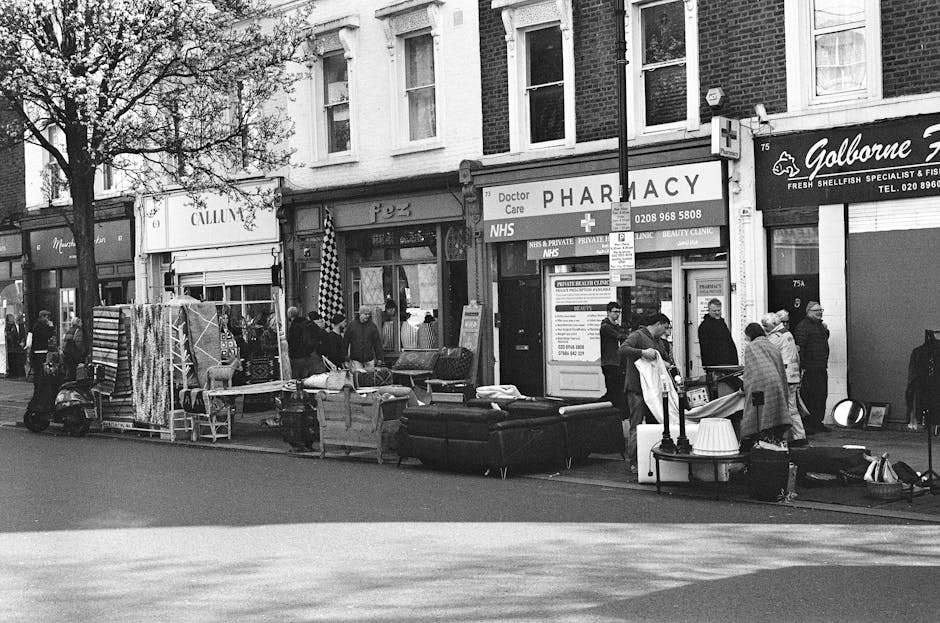
Why Columbia Road Hackney rubbish removal tips for market traders Matters
Columbia Road is not a normal high street. On market days, footfall rises, pitches change quickly, and every trader is working within a tight window. That means waste can become a problem long before the market shuts. A stack of flat-packed boxes might seem harmless at 8am, but by lunchtime it can block space behind the stall, attract mess, and make pack-down more stressful than it needs to be.
Good rubbish removal matters for three main reasons. First, it keeps your pitch safe and workable. Second, it helps maintain a clean trading environment for customers and neighbouring stalls. Third, it reduces the chance of avoidable costs, whether that is wasted labour, extra van trips, or an emergency clearance at the end of a long day. To be fair, nobody wants to be standing in the drizzle at 4.30pm wondering where all the cardboard suddenly came from.
There is also a reputational angle. Market traders live on presentation. A neat stall, tidy storage, and quick waste removal send a simple signal: this trader is organised, professional, and easy to buy from. That matters on a street where first impressions happen in seconds.
If your business sits between retail, display, and event-style trading, the waste pattern can change week by week. Seasonal stock, wrapping, damaged items, offcuts, and old display pieces all behave differently. A flexible clearance plan is usually the best fit. For broader background on local services, you may also find the services overview useful, especially if you are comparing regular collection options with one-off clearances.
Expert summary: The best market waste strategy is simple: separate waste as you trade, remove bulky material early, and never leave clean-up to the last five rushed minutes. Small habits save the biggest headaches.
How Columbia Road Hackney rubbish removal tips for market traders Works
In practice, market rubbish removal is a rhythm. You set up, trade, sort waste as it appears, then clear down in a way that suits your stall size, product type, and access to vehicles. That sounds obvious, but the difference between a smooth close and a chaotic close is often just planning.
For Columbia Road traders, the process usually works best in layers:
- Pre-market planning: decide what waste you expect, what containers you will need, and where stock packaging will be stored during the day.
- During trading: keep separate bags or boxes for cardboard, general rubbish, and reusable materials.
- Pack-down: flatten bulky items, secure loose waste, and move everything off the pitch as early as you can safely do so.
- Post-market removal: take waste to the right destination or arrange collection so it does not pile up at your storage unit or vehicle.
The real trick is not to treat waste as an afterthought. A trader selling flowers, vintage goods, food, or homeware each produces different rubbish. A flower stall may deal with damp packaging, plastic sleeves, broken buckets, and soft waste. A vintage trader might produce bubble wrap, damaged hangers, and occasional furniture disposal needs. The better you understand your waste pattern, the easier removal becomes.
Some traders handle this internally with a dedicated van and a rigid closing routine. Others prefer an external collection partner for heavy or awkward loads. For larger or mixed loads, a regular waste collection service in Hackney can be easier than trying to squeeze everything into one vehicle at the end of the day.
Key Benefits and Practical Advantages
Well-managed rubbish removal delivers more than a cleaner stall. It can improve speed, reduce stress, and make your whole operation feel sharper. That sounds a bit polished, but it is true. The practical benefits show up quickly.
- Faster pack-down: when waste is sorted as you go, closing time becomes manageable instead of frantic.
- Better use of space: fewer loose boxes and bags means more room around your pitch and vehicle.
- Lower contamination risk: separating recyclable material from general waste helps avoid mixed loads.
- Cleaner brand image: customers notice a tidy stall, even if they never say it out loud.
- Reduced manual handling strain: one well-planned lift is better than five awkward ones. Your back will thank you.
- More predictable costs: planned removal is often easier to budget for than emergency disposal.
There is also a hidden benefit: better trading focus. If waste is under control, you spend less time worrying about bin bags, more time helping customers and protecting stock. That can matter on busy Sundays when the market is at its most energetic and the air has that unmistakable mix of flowers, coffee, and cardboard.
For traders who also hold excess equipment, shelving, or display stock, a well-timed clearance can free up back-of-house storage. If the load includes office-style materials, old desks, or filing units, an office clearance in Hackney may be more suitable than piecemeal disposal. For heavier or mixed commercial items, it is worth looking at the broader waste collection options rather than guessing.
Who This Is For and When It Makes Sense
This advice is most useful for independent traders, small stall teams, and market operators who produce regular waste but do not want the overhead of a complicated disposal system. It is especially relevant if you trade on Columbia Road every week, operate seasonally, or run a stall that changes stock often.
It makes sense if you are:
- selling flowers, plants, homeware, food, or gift items;
- opening and closing a stall quickly with limited storage;
- dealing with cardboard, plastic wrap, broken packaging, or damaged goods;
- working from a van, storage unit, or nearby base that fills up fast;
- trying to keep customer areas tidy and safe throughout the day;
- looking for a more reliable routine than "we'll sort it later".
It also suits traders who are scaling up. The waste profile of a business can change surprisingly quickly. A stall that once produced one bag of rubbish can grow into several bags, plus bulky offcuts and display materials. That usually happens slowly, then all at once. If that sounds familiar, you are not alone.
If your business space is changing beyond the market pitch itself, or you are consolidating stock rooms and back areas, it may be worth comparing related services such as furniture disposal in Hackney or even house clearance support in Hackney when the waste extends to stored domestic-style items. That kind of overlap is more common than people expect.
Step-by-Step Guidance
Here is a practical way to manage market waste without making the day harder than it needs to be.
- Start with a waste forecast. Before market day, think through what you will probably throw away: cardboard, soft plastic, wrapping paper, damaged stock, food waste, floral waste, tape, and general rubbish.
- Bring the right containers. Use separate bags, tubs, or crates so recyclable material does not get mixed in with general waste. Colour-coding helps, even if it is just by habit.
- Flatten bulky packaging as soon as it is empty. Big cardboard boxes become awkward fast. Flattening early saves space and makes removal easier.
- Keep a clear "waste zone". Choose one spot behind or beside the stall where all waste goes. The point is consistency. Half the battle is knowing where to put things.
- Remove sharp or broken items immediately. Broken display fixtures, cracked pots, or damaged frame parts should not sit around until the end of the day.
- Separate reusable from disposable. Some packaging, crates, or display pieces might be reusable next week. Don't bin them by accident.
- Pack down in phases. Do not leave everything for the final minute. As soon as trading slows, start removing non-essential waste.
- Choose the right disposal route. Take small loads yourself if it is genuinely efficient, but use professional help if the waste is bulky, mixed, or time-sensitive.
- Check the area before you leave. A quick sweep around the pitch catches cable ties, broken tape, stray petals, and small scraps that are easy to miss.
One useful habit is to treat every trade day like a mini reset. A 90-second tidy-up at intervals can prevent a 20-minute clear-down later. It sounds small. It is not small.
Expert Tips for Better Results
These are the little things that usually separate a smooth cleanup from a stressful one.
- Pre-fold as you unpack. If a box is only needed once, flatten it immediately rather than building a cardboard wall around yourself.
- Use lined containers for wet waste. This is especially useful for flower stalls and food traders. Damp waste gets heavy and messy surprisingly quickly.
- Bundle long or awkward items early. Rails, stakes, canes, and broken display pieces are easier to carry when secured together.
- Keep a spare bag or two. It sounds basic. Then one bag splits, and suddenly basic looks very clever indeed.
- Plan your removal around the busiest moments. Avoid pack-down tasks when customer flow is at its peak. You do not want to be wrestling with tape while someone is trying to buy flowers.
- Label waste streams clearly. If you work with assistants or family members, labels cut confusion and reduce mistakes.
Another useful tip: build removal into the cost of trading. It is part of the business, not a random extra. Traders who treat waste as an operational line item usually stay calmer and make better decisions. Funny how that works.
If you want to keep the wider operation cleaner and more sustainable, the page on recycling and sustainability gives a helpful broader context. Even for small traders, separating material properly can make a noticeable difference.

Common Mistakes to Avoid
A lot of waste problems are self-inflicted, which is annoying but fixable. The most common mistake is underestimating how much packaging a market stall creates. The second is assuming "we can sort it later" will somehow become easier later. It rarely does.
- Mixing everything together. Once waste is mixed, recycling becomes harder and disposal can become more expensive or inefficient.
- Leaving bulky items until the end. Cardboard stacks, broken rails, and empty display boxes often get in the way when you are trying to close down quickly.
- Using the wrong vehicle. A car boot is not the same as a proper waste plan. It fills fast, gets dirty, and creates extra trips.
- Ignoring damp or organic waste. Wet packaging and floral waste can smell, attract mess, and make handling unpleasant.
- Not checking loading and access needs. If your pickup point is tight, build in extra time. Tight streets do not care about your timetable.
- Forgetting safety. Sharp waste, heavy boxes, and slippery surfaces can turn a routine close into an injury risk.
One mistake I see repeatedly is the "single giant bin bag" approach. It looks efficient until it bursts. Not ideal. Better to use smaller, manageable bags that you can carry safely and move without strain.
Tools, Resources and Recommendations
You do not need a mountain of equipment, but a few sensible tools make a big difference.
| Tool or Resource | Best Use | Why It Helps |
|---|---|---|
| Heavy-duty bin bags | General waste and mixed small items | Reduces splitting and makes handling safer |
| Cardboard flattening knife or cutter | Breaking down packaging | Saves space and speeds up pack-down |
| Stackable crates | Reusable stock and sorted waste | Keeps the stall organised during trading |
| Straps or ties | Bundling long or awkward items | Makes transport safer and cleaner |
| Protective gloves | Handling rough, damp, or sharp waste | Improves grip and reduces minor injuries |
| Reliable collection service | Bulky, mixed, or regular commercial waste | Removes pressure from your closing routine |
For traders who are comparing support options, the most useful next step is usually to look at the overall pricing and quotes information and then match that against your waste pattern. A one-off bulky load is different from a steady weekly need, and the right choice depends on volume, access, and how fast you need it cleared.
It is also worth checking the company's insurance and safety approach if you are handing over items from a busy market environment. That is especially relevant when waste includes heavy, awkward, or broken materials.
Law, Compliance, Standards, or Best Practice
Market traders should take waste handling seriously. In the UK, commercial waste must be managed responsibly, and traders are generally expected to keep waste under control, separate materials where practical, and dispose of rubbish through lawful channels. The exact obligations can depend on the setup, the type of waste, and your trading arrangement, so it is sensible to check your own circumstances rather than guessing.
A few best-practice principles are worth following regardless:
- Do not leave waste on the street or by the pitch. That creates mess, risk, and avoidable complaints.
- Separate recyclables where possible. Cardboard and clean packaging are usually the easiest wins.
- Handle hazardous or sharp items carefully. Broken glass, metal offcuts, and similar waste need extra caution.
- Use a reputable carrier for commercial waste. The key point is lawful, traceable disposal.
- Keep your own records. Even simple notes about collection dates and waste types can be useful if you trade regularly.
Best practice is not about being perfect. It is about being consistent, tidy, and defensible if anyone asks how your waste is handled. That is usually enough to stay on the right side of things.
If your waste stream includes anything unusual or large-scale, you may need a more specialised approach. For example, a trader moving stock from a pop-up unit may need help with mixed items, while someone clearing a long-unused back room may need more than a simple collection. A broader about the company page can also help readers understand the service ethos and working standards behind a provider.
Options, Methods, or Comparison Table
There is no single best method for every trader. The right choice depends on how much waste you produce, how awkward it is, and how quickly you need it gone.
| Method | Best For | Pros | Watch Out For |
|---|---|---|---|
| Self-removal | Small, light, predictable loads | Simple, flexible, low hassle for tiny volumes | Limited space, time pressure, extra trips |
| Scheduled collection | Regular waste from active traders | More predictable, easier to plan around market day | Needs consistent preparation and access |
| One-off bulky clearance | Large packaging piles, damaged stock, back-room clutter | Fast reset, removes a big backlog in one go | May need more preparation and sorting beforehand |
| Mixed commercial collection | Traders with varied waste streams | Convenient when waste types change often | Sorting remains important for efficiency |
For many Columbia Road traders, the sweet spot is a mix: flatten and bag the easy stuff yourself, then arrange help for anything bulky, heavy, or awkward. That balance keeps costs down without turning closing time into a second shift.
Case Study or Real-World Example
Picture a flower trader on a busy Sunday. By midday, they have cardboard sleeves, broken twine, wilted stems, plastic wrap, and a few damaged buckets. Nothing dramatic individually, but together it becomes a proper nuisance. The stall looks cluttered, the floor is damp, and the pack-down starts to feel rushed.
Instead of waiting until the end, the trader uses three simple habits. Cardboard gets flattened straight away. Floral waste goes into lined bags kept separate from dry packaging. Damaged buckets and broken display items are stacked in one corner so they do not get mixed in. By closing time, the stall clears in stages rather than all at once.
The result? Less mess, less lifting, and fewer trips back and forth. There is still work to do, obviously, but the whole thing feels more under control. That is often what traders want most. Not magic. Just control.
In a slightly larger scenario, a trader may also be storing old shelving, unused tables, or stockroom furniture in a nearby unit. In that case, a service such as furniture disposal in Hackney may be a smarter route than trying to break everything down into smaller trips over several weekends.
Practical Checklist
Use this checklist before, during, and after your market day. It keeps the routine simple.
- Have enough heavy-duty bags, boxes, or crates for the expected waste.
- Flatten cardboard as you unpack.
- Keep recyclable material separate from general waste.
- Store sharp or broken items safely.
- Set aside a clear waste zone behind the stall.
- Remove bulky waste before the closing rush.
- Check the ground for stray tape, string, and small debris.
- Confirm who is taking the waste away and when.
- Use gloves and sensible lifting technique.
- Review what waste you produced so next week runs better.
Quick takeaway: the best rubbish removal routine is the one you can repeat every week without thinking too hard. Simple, consistent, and realistic beats clever but awkward every time.
Get a free quote today and see how much you can save.
Conclusion
Managing waste on Columbia Road is really about protecting your trading day. The better your removal routine, the easier it is to focus on customers, stock, and presentation instead of piles of packaging and awkward bags underfoot. Small habits make the biggest difference here: sort as you go, flatten packaging early, and choose a disposal method that fits the way you actually trade.
If you are dealing with regular commercial waste, bulky leftovers, or a stall that has outgrown its current system, a more structured approach will save time and reduce stress. And if you need help with larger or mixed loads, it is worth choosing a team that understands Hackney's pace and the practical realities of market work. A clean finish to the day matters more than most people admit.
For related support, you can also review the waste services overview, the pricing and quotes page, and the recycling and sustainability guidance to see what fits your setup best. A bit of planning now can make next Sunday feel much lighter. And that, truth be told, is a lovely thing.

 Tipper Van - Rubbish Disposal and Waste Collection Prices in Hackney, E5
 Luton Van - Rubbish Disposal and Waste Collection Prices in Hackney, E5


