Bulky rubbish clearance near Hackney Wick station Hackney
Posted on 22/06/2026
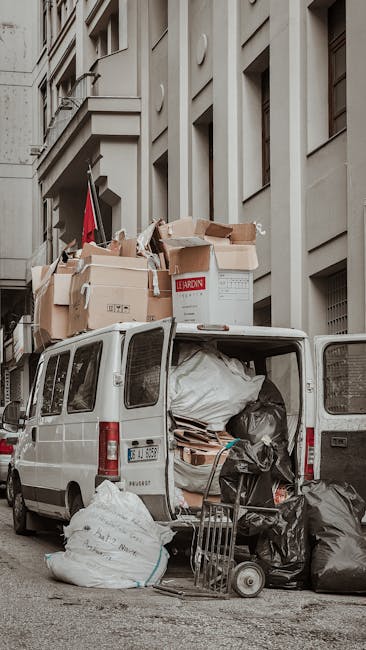
Bulky rubbish clearance near Hackney Wick station Hackney: a practical local guide
If you are dealing with a sofa that will not fit through the door, a broken wardrobe that has become a hallway obstacle, or a pile of unwanted items after a move, bulky rubbish clearance near Hackney Wick station Hackney can feel like the obvious next step. The tricky bit is not just getting rid of the stuff; it is doing it safely, legally, and without turning a simple clear-out into a day-long headache. This guide breaks the process down in plain English, with local context, practical steps, and a few tips that can save you time, money, and a sore back.
Whether you are clearing a flat, a studio, an office corner, or a few oversized items from a home near the station, the aim is the same: get the space back quickly and leave no mess behind. Sounds simple, right? Well, sometimes it is. Sometimes it is not. Let's walk through what actually matters.
Why bulky rubbish clearance near Hackney Wick station Hackney matters
Bulky waste is different from everyday rubbish. It is larger, heavier, awkwardly shaped, and often not suitable for normal bin collection. A mattress, sofa, chest of drawers, old desk, or damaged white goods can create problems fast if left in a stairwell, shared garden, or loading bay. Near Hackney Wick station, that matters even more because space is tight, access can be busy, and one badly placed item can become an obstruction almost instantly.
There is also the practical side. Large items left outside can attract fly-tipping, create fire risk, or simply become an eyesore. In a busy part of East London, people notice these things. Your neighbours notice too. So do passers-by. Clearing bulky waste promptly helps keep communal areas usable and keeps the whole place feeling more orderly. Not glamorous, but very real.
For landlords, letting agents, small businesses, and residents in flats or converted properties, timely clearance also helps when a property needs to be shown, handed back, or prepared for a refurbishment. If you are planning broader work, it can be worth looking at related services like house clearance in Hackney or furniture disposal support when the job is mostly large household items rather than mixed rubbish.
Expert summary: bulky rubbish clearance is at its best when it is quick, tidy, and proportionate to the job. The right approach depends on volume, item type, access, and how urgently you need the space back.
How bulky rubbish clearance near Hackney Wick station Hackney works
Most bulky rubbish clearance jobs follow a similar pattern, even if the details differ from one property to the next. First comes the item assessment. That means identifying what needs removing, whether anything is recyclable, and whether the load includes anything that needs special handling. A sofa is straightforward. A broken desk, a bed frame, and a bag of mixed odds and ends are still manageable. Paint, chemicals, fridges, and some electrical items may need extra care.
Next comes access. Around Hackney Wick station, access can be the part that changes everything. Is the item in a basement flat? Is there a lift? Can a van stop close enough without blocking traffic? Is there stair access, a loading bay, or a narrow entrance? These details influence how long the job takes and what equipment is needed.
Then comes loading and removal. A good clearance team will usually bring the right manpower and lifting approach for the load. That matters because trying to drag a heavy wardrobe down communal stairs is how walls get scuffed and knees get grumpy. Not ideal.
Finally, disposal and sorting should happen responsibly. Reusable items may be separated out, recyclables diverted where possible, and the remainder taken to the appropriate facility. If sustainability matters to you, it should matter to the provider too. You can read more about the wider approach on the company's recycling and sustainability page.
Key benefits and practical advantages
The biggest benefit is simple: you reclaim your space. But there are several more practical advantages that are easy to overlook until you need them.
- Speed: a bulky item that would take you all weekend to move can often be handled in a much shorter visit.
- Less physical strain: no awkward lifting, no wrestling with stairs, no risk of twisting your back on a rainy pavement.
- Cleaner finish: the best clearances do not end with the item gone; they end with the area swept and left usable.
- Better local compliance: professional removal helps reduce the risk of improper dumping or accidental obstruction.
- More flexible timing: if you are coordinating around a move, tenancy handover, or office refit, timing matters a lot.
There is also a surprisingly important emotional benefit. A cluttered room can make a flat feel smaller than it is. Once the bulky pieces are out, the whole place breathes a bit more. You notice the light again. The room stops arguing with you, basically.
If your clear-out is connected to a workplace or shared premises, a more structured approach like office clearance in Hackney may be the better fit. For outdoor clutter, a different stream such as garden waste removal in Hackney may be more appropriate.
Who this is for and when it makes sense
This service is useful for a wide range of people, not just those doing a full house move. In fact, many bulky rubbish jobs are small-to-medium requests that have become annoying enough to demand action. That odd corner of furniture in a rented flat. A sofa bed that has been sitting in a spare room for six months. A broken shelving unit in an office. A reception desk that arrived after the refurb and has no place to go.
It makes particular sense when:
- you have oversized items that will not fit in a normal bin lift or bin store;
- you need the job done quickly because of a move, sale, inspection, or handover;
- you do not have the time, vehicle, or lifting help to do it yourself;
- the items are awkward, heavy, or located in a property with poor access;
- you want proper disposal rather than a risky DIY attempt.
Landlords and property managers often use clearance services between tenancies. Traders and offices use them when replacing furniture or clearing stock. Residents use them after years of accumulation. Truth be told, bulky waste has a habit of sneaking up on people.
For readers thinking about wider local property and occupancy changes, these pieces can provide useful context too: Hackney housing market trends and whether Hackney is a top place to live.
Step-by-step guidance
If you want a smoother clearance, a bit of prep goes a long way. Here is a practical way to organise it.
- List the items clearly. Write down what needs removing. Include large furniture, white goods, mixed junk, and anything awkwardly placed.
- Separate what can be kept, donated, or recycled. You do not need to turn into a sorting wizard, but a quick pass can reduce the load and maybe the cost.
- Check access properly. Measure doorways, stairs, lifts, and any pinch points. If a sofa only just fitted in years ago, it may be more of a battle on the way out.
- Take photos if useful. A few clear pictures help explain the job, especially if the item mix is unusual.
- Book a slot that fits your schedule. If the road is busier in the morning or there is a delivery window nearby, plan around it.
- Prepare the route. Move smaller items out of the way, unlock gates, and clear trip hazards.
- Confirm what happens after removal. Ask how the items will be sorted or disposed of, especially if you care about reuse and recycling.
That is the basic structure. Nothing fancy. But it prevents most of the avoidable stress.
Expert tips for better results
One useful tip: do not underestimate access. On paper, a bulky item may look manageable. In practice, one awkward turn on a landing can add time and complexity. If the stairwell is tight or the item is unusually heavy, tell the provider early. It saves everyone a headache.
Another tip is to group items by type if you can. Furniture together. Cardboard together. Mixed waste together. It is not essential, but it often makes the job cleaner and more efficient. If you are dealing with a lot of furniture, a dedicated service such as furniture disposal in Hackney may fit the brief better than a general load.
Be realistic about condition too. A cracked wardrobe with loose panels may need to be carried differently from a solid piece. A damp mattress is a different story again. If something smells musty, tears easily, or sheds dust, mention that. It is the small details that matter on the day.
And if you are trying to schedule around a busy week, ask about broader collection options. A good start point is the company's services overview, which can help you understand what fits your situation before you commit.
Small detail, big difference.
Common mistakes to avoid
Most bulky rubbish problems are not caused by the waste itself. They are caused by planning gaps. The usual mistakes are fairly predictable, which is helpful because that means they are avoidable.
- Leaving it until the last minute: this is how people end up with stress, blocked hallways, and hurried decisions.
- Underestimating item size: a "single wardrobe" can be far more awkward than it looks.
- Not checking access: stairs, lifts, parking, and communal rules can all affect the job.
- Mixing everything together: it is better to separate clearly reusable or recyclable items if possible.
- Choosing the cheapest option without checking what is included: a low headline figure is not much use if it does not cover the actual lifting or disposal.
- Putting items out where they obstruct others: in shared areas, that can create complaints very quickly.
A slightly awkward but important one: people sometimes assume "someone will sort it out later." Later usually means never. Then the pile grows legs, as these things do.
Tools, resources and recommendations
You do not need much specialist equipment for a standard clearance, but the right basics make a difference. If you are preparing the items yourself, think in terms of safety and simplicity.
- Gloves: useful for handling sharp edges, dirty surfaces, or splintered wood.
- Strong bin bags or sacks: for smaller loose waste that is part of the same job.
- Measuring tape: ideal for checking furniture against doorways and lifts.
- Phone camera: good for documenting item condition and access points.
- Marker labels: helpful if you are separating keep, donate, recycle, and clear.
For related planning, these pages may help if your bulky rubbish is part of a wider project: builders waste disposal in Hackney for renovation debris, and waste collection in Hackney for broader removal needs.
If you are comparing providers, look for clarity on pricing, communication, access handling, and disposal route. The page on pricing and quotes is a useful place to understand how transparent pricing should be presented. No one likes surprise add-ons. Nobody.
Law, compliance, standards, or best practice
For bulky waste, the safest approach is to treat disposal as a responsibility, not a shortcut. In the UK, householders and businesses should make sure waste is handled by an appropriate carrier and taken to an authorised facility or collection route. That is the practical standard to aim for. If you are a landlord, business owner, or managing agent, your responsibility is even more important because the waste is often tied to a tenancy, premises, or operational duty.
Best practice usually means:
- not leaving bulky items on pavements or in communal spaces unless the arrangement is clearly agreed;
- keeping records or invoices where appropriate;
- separating recyclable or reusable items when possible;
- using a provider with proper insurance and a clear safety process;
- being honest about the contents so nothing hazardous is mixed in by mistake.
Safety matters too. Heavy lifting, narrow stairwells, and shared entrances are not places for guesswork. It is worth checking a provider's approach to care, access, and liability. The company's insurance and safety page is worth reviewing if you want reassurance before booking.
For business users and anyone handling data-bearing items, privacy and security can matter as well. If you are clearing desks, filing cabinets, or old IT-heavy furniture, a careful disposal plan is part of good practice. The same goes for payments and terms, which should be straightforward and transparent. A quick look at payment and security, terms and conditions, and privacy policy can give you a fuller picture.
Options, methods, or comparison table
There is more than one way to handle bulky waste near Hackney Wick station. The right method depends on volume, urgency, and how much lifting you are willing to do yourself.
| Method | Best for | Pros | Watch-outs |
|---|---|---|---|
| DIY transport | One or two manageable items | Can be inexpensive if you already have a vehicle | Heavy lifting, access issues, disposal responsibility, time |
| Curbside collection arrangement | Simple, agreed removals with limited volume | Convenient if everything is organised well | Needs careful timing and may not suit awkward items |
| Dedicated bulky rubbish clearance | Large furniture, mixed bulky loads, tricky access | Fast, labour-saving, tidy, usually more reliable | Usually costs more than doing it yourself |
| Specialist service by item type | Furniture, office items, garden waste, builders waste | More tailored approach and often better sorting | May need different bookings for different waste types |
In many cases, the dedicated clearance route is the most balanced choice. It keeps the job simple and reduces the risk of damage or delay. If the items are mostly household furniture, the dedicated furniture route is often the cleanest option. If you are clearing a property after a move or tenancy change, a broader house clearance service may make more sense.
Case study or real-world example
A fairly typical local scenario goes like this. A tenant in a flat a short walk from Hackney Wick station has to move out by Friday afternoon. They have a three-seat sofa, a broken TV unit, two old dining chairs, and a double mattress that has become awkwardly positioned in the spare room. The building has a narrow stairwell, one small lift, and restricted parking outside. Not impossible, but not fun either.
Instead of trying to shift it all in a borrowed car and making three trips, they sort the items into categories, take a few photos, and arrange a clearance visit. The service team checks access first, plans the lift carefully, and removes everything in one go. The mattress is handled separately from the wood furniture, and the area is left swept. The flat goes from cramped and chaotic to ready for cleaning and handover. Simple on the surface, but that kind of smooth finish can save a stressful move day.
The important thing here is not that the clear-out was dramatic. It was ordinary. And ordinary is exactly what you want. No drama, no surprises, no half-finished pile by the bin store.
Practical checklist
Use this before you book bulky rubbish clearance near Hackney Wick station Hackney:
- Identify every item that needs removing.
- Separate anything you may want to keep, sell, or donate.
- Check door widths, stairs, lifts, and parking access.
- Photograph unusual items or tight access points.
- Note whether the load includes furniture, electricals, or mixed waste.
- Confirm whether the area needs to be left swept or fully cleared.
- Ask about disposal and recycling practices.
- Check whether the provider is insured and transparent on pricing.
- Choose a time that avoids building congestion or neighbour disruption.
- Keep any booking details, references, or receipts in one place.
That checklist is short on purpose. If you can tick those boxes, you are in good shape.
Conclusion
Bulky rubbish clearance near Hackney Wick station Hackney is really about restoring order without creating extra work for yourself. Done well, it is efficient, careful, and surprisingly freeing. You get the room back, the clutter disappears, and the whole property feels easier to live or work in. That matters more than people think.
If you are facing a single awkward item or a full clear-out, the smartest move is usually the same: assess the load properly, think about access, and choose a method that fits the real job rather than the cheapest-looking shortcut. A little planning now can save a very long afternoon later.
Get a free quote today and see how much you can save.
 Tipper Van - Rubbish Disposal and Waste Collection Prices in Hackney, E5
 Luton Van - Rubbish Disposal and Waste Collection Prices in Hackney, E5


