Access issues and rubbish collection on narrow Hackney streets
Posted on 19/08/2026
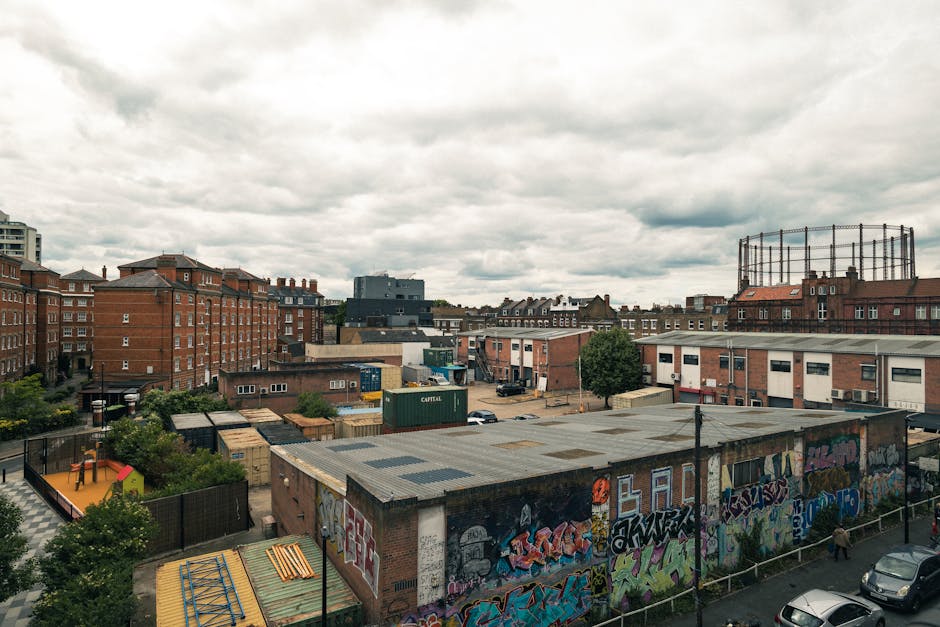
Narrow streets, tight turns, parked cars, low branches, and the odd loading bay that seems to vanish at rush hour - Hackney can be a brilliant place to live and work, but rubbish collection is not always straightforward. If you are dealing with access issues and rubbish collection on narrow Hackney streets, the difference between a smooth pickup and a frustrating delay often comes down to planning, timing, and knowing what vehicles and crews can realistically do on the day.
This guide explains the practical side of collection access in clear English. We'll look at why narrow-street access matters, how a collection is usually handled, what residents and businesses can do to help, and where the common traps are. You'll also find a comparison table, a checklist, and a few real-world examples so you can make better decisions without second-guessing everything.
To be fair, most access problems are solvable. They just need a bit of thought before the bags are dragged out to the kerb at 7am.
Why access issues and rubbish collection on narrow Hackney streets matters
Access is not just a convenience issue. On a tight street, it affects whether a collection can happen at all, how long it takes, what equipment is needed, and whether the job stays safe for everyone involved. In Hackney, that matters because many roads are busy, residential parking can reduce the usable width, and some properties sit behind gates, corners, or shared entrances that make loading awkward.
If a crew cannot park safely or cannot reach the waste without blocking traffic, the job may need to be adjusted. Sometimes that means a smaller vehicle. Sometimes it means carrying items a longer distance. Sometimes it means arranging a better time of day. And yes, sometimes it means the original plan simply was not realistic.
For residents, poor access can lead to missed collections, items left outside too long, neighbour complaints, or extra costs. For landlords, shops, offices, and building managers, the stakes are even higher because delays can affect day-to-day operations. If you're clearing a flat in a terrace off a narrow side street, or handling a commercial overflow near a tight parking bay, access planning is the bit that saves you the headache later.
If you want broader context on how local rubbish removal services fit into Hackney life, it can also help to read about rubbish collection for London Fields residents and the practical side of same-day availability in E8.
How access issues and rubbish collection on narrow Hackney streets works
In plain terms, the process starts with assessing whether the vehicle, crew, and waste can be moved without creating a safety problem or blocking the street for too long. On a wider road, a collection team can often park close to the property and load directly. On a narrow street, the team may need to think differently.
That usually means checking several things in advance:
- how wide the street is at the narrowest point
- whether parked cars reduce turning space
- if there are height restrictions, low trees, or overhead cables
- whether waste can be brought to the vehicle without crossing obstacles
- how heavy or bulky the items are
- whether the collection needs two people, a larger team, or more time
Many jobs on tight Hackney streets are completed with smaller vans or by using a shuttle-style approach, where items are carried from the property to a parked vehicle in stages. That sounds simple, but the details matter. A couple of extra minutes on the phone can prevent a half-hour standstill on the pavement. Small thing, big difference.
For builder-heavy streets or refurb jobs, access becomes even more important because rubble sacks, timber, old fittings, and broken furniture are awkward to manoeuvre. If you are working through renovation waste, the dedicated guidance on builders waste disposal in Hackney is useful alongside the more general advice in the services overview.
Key benefits and practical advantages
Good access planning is not just about avoiding problems. It makes the whole collection more efficient. When people think ahead, the job tends to feel calmer, quicker, and less disruptive. Which, let's face it, is what everyone wants on a narrow street where one double-parked van can ruin everyone's morning.
- Fewer delays: the crew can arrive with a realistic plan instead of improvising at the kerb.
- Lower risk of missed pickups: if access is clear, there is less chance the job has to be rescheduled.
- Better safety: fewer awkward carries, less rushing, and less risk of damage to vehicles or property.
- Clearer pricing: if the provider understands the access challenge early, any extra labour or vehicle choice can be discussed in advance.
- Less neighbour disruption: shorter loading times and better parking choices reduce friction on a crowded street.
- More suitable vehicle selection: not every collection needs a large lorry; sometimes smaller is smarter.
There is also a sustainability angle. Fewer failed attempts means fewer wasted journeys, which ties into a more efficient approach to waste handling overall. If that side of things matters to you, the company's page on recycling and sustainability is worth a look.
Expert summary: The best rubbish collections on narrow Hackney streets are not the ones that try to force a big vehicle into a small space. They are the ones that match the vehicle, timing, and loading plan to the street itself.
Who this is for and when it makes sense
This topic matters to more people than you might think. It is not just for anyone with a difficult driveway. In Hackney, narrow-street access comes up in lots of different situations.
Typical situations include:
- flat clearances in terraces with limited road space
- house moves where furniture has to come through tight hallways and out to a narrow pavement
- office clearances in converted buildings or side-street premises
- market traders managing stock or waste around busy trading hours
- landlords clearing left-behind items between tenancies
- builders and decorators removing waste from compact residential roads
- garden waste collections where side access is awkward or shared
It also makes sense if you're booking a collection near a station, market, or busy junction where traffic moves slowly. The area around Hackney Wick, for example, can be particularly sensitive to timing and vehicle access. That's why location-specific planning matters, as discussed in bulky rubbish clearance near Hackney Wick Station.
If your situation is a simple one - a few bags, a wide frontage, easy parking - then access is still worth checking, but it's usually straightforward. The challenge starts when a collection depends on shared access, limited waiting, or a street where every second car is parked on the kerb. That's the sort of setup that rewards good preparation.
Step-by-step guidance
Here is a practical way to handle access issues before collection day. It is simple, but simple is often what works.
- Measure the space honestly. Don't guess. If you can, look at the street width, the turning room, and where a van could actually stop without blocking corners or driveways.
- Take photos from the kerb and from inside the property. Photos help the collection team understand what they are dealing with. A narrow gate or awkward stairwell can be just as important as the street itself.
- List the largest items. Sofas, wardrobes, builders' boards, and white goods need special handling. If the biggest item is the problem, say so early.
- Check the time of day. A street that is manageable at 9am may be impossible at school-run time or during peak parking hours.
- Clear the route. Move bikes, bins, planters, and temporary obstacles from hallways and front steps if you can do so safely.
- Confirm who will be present. Someone needs to be available to answer questions, unlock gates, or confirm item lists on arrival.
- Ask how the crew will load. Will they park close and load directly, or will they need to walk items from the property to a waiting vehicle?
- Prepare for the unexpected. A small route change, a parked van, or a temporary road works setup can change the day. Build in a bit of flexibility.
If you are arranging an office clearance or a home clearance on a narrow road, it can help to compare service types before booking. For example, office clearance in Hackney often involves furniture, paperwork, and multiple trips, while house clearance in Hackney may involve bulkier, mixed items and tighter internal access.
Expert tips for better results
A few small habits can make a surprisingly large difference. We've seen collections run smoothly on streets that looked impossible at first glance, simply because the access was explained well and the timing was chosen carefully.
Use these tips in practice:
- Send a short access summary with your booking. One paragraph is enough: street name, parking limits, any gate codes, and the biggest obstacle.
- Choose off-peak windows where possible. Early morning can be quieter, though not always. Sometimes mid-morning is better if school traffic is the issue.
- Keep the footpath clear. Even if the vehicle must stop a little away from the property, a clear loading path saves time.
- Group items by type. Furniture, bagged waste, cardboard, and garden waste are easier to handle when separated.
- Be realistic about heavy items. A cast-iron bedframe or old wardrobe is not just "one item" - it is a manoeuvre.
- Ask about hidden delays. If the road has loading restrictions or frequent enforcement, say it plainly. It helps everyone.
There is a useful local lesson here: the more specific you are, the fewer assumptions the crew has to make. That alone can save a lot of faff.
If you want to understand how quotes are structured and avoid surprises later, the article on avoiding hidden charges in Hackney rubbish removal quotes is a sensible companion read. And if timing is your main headache, take a look at late pickups and delay solutions.

Common mistakes to avoid
A lot of access issues are not caused by the street itself. They are caused by bad assumptions. People assume the van will fit. They assume the crew can carry items from "just round the corner." They assume the job will be quick because the pile looks small from the front door. Then reality shows up.
- Guessing the vehicle size: if you do not know the access, do not assume a large lorry can use the street.
- Leaving bags in the wrong place: waste left behind a gate, on upper steps, or inside a side passage may slow the job down.
- Ignoring parking pressure: a road that looks fine at lunchtime might be blocked with resident parking by evening.
- Not mentioning stairs or tight hallways: internal access matters just as much as street access.
- Booking without photos: a quick picture often tells the story better than five messages back and forth.
- Assuming a same-day slot is always the answer: sometimes urgency makes access problems worse, not better.
A common one is the "It'll be fine, honestly" approach. Usually not fine. Not on a narrow Hackney street with a delivery van, two wheelie bins, and someone's scooter tied to a railing.
For traders and small business owners, the same principle applies around market streets. The advice in rubbish removal tips for Columbia Road market traders shows how timing and access can shape the whole collection experience.
Tools, resources and recommendations
You do not need anything fancy, but a few practical tools help. This is especially true if you manage waste regularly or if your property has recurring access constraints.
| Tool or resource | What it helps with | Best use case |
|---|---|---|
| Phone camera | Shows street width, gates, steps, and obstacle points | Bookings with awkward access or multiple items |
| Measuring tape | Checks item sizes and doorway width | Bulky furniture or appliances |
| Simple item list | Helps confirm load size and handling needs | Mixed household or office clearances |
| Property notes | Records gate codes, stair counts, and parking limits | Recurring collections |
| Quote comparison | Helps identify what is included and what may cost extra | Anyone comparing providers |
There are also service pages that help you match the job type to the waste type. For heavier mixed loads, waste collection in Hackney is the broader service route. For timber, plasterboard, and renovation debris, builders waste disposal Hackney is the better fit. For larger home items, furniture disposal in Hackney is often the most relevant option.
If you like to understand the provider side as well, the company pages on about us, insurance and safety, and payment and security are useful for reassurance before you book.
Law, compliance, standards and best practice
Without getting bogged down in legal jargon, rubbish collection in tight urban streets should follow normal UK expectations around safety, property care, and responsible waste handling. That usually means the crew should avoid creating unnecessary obstruction, handle waste safely, and use an approach that does not damage vehicles, buildings, or public space.
For residents and businesses, the practical side is just as important. You should make sure items are presented in a way that can be collected safely, and you should be clear about access constraints before the crew arrives. If waste comes from a business or building project, there may be extra expectations around segregation, storage, and duty of care. The specifics vary by site and waste type, so caution is sensible here.
Best practice in this setting usually includes:
- sharing access details early
- being honest about street width and parking pressure
- separating recyclable material where possible
- keeping collection points clear and safe
- using a provider that explains process and pricing transparently
That transparency point matters. If the job looks hard, the quote should reflect the actual work, not a vague promise. The article on common problems when booking Hackney rubbish collection covers several of the issues people run into when the plan is not properly set out.
Options, methods, or comparison table
There is no single "best" method for every narrow street. The right option depends on the waste type, the loading distance, and whether the road can take a larger vehicle. Here is a simple comparison.
| Method | Best for | Pros | Limitations |
|---|---|---|---|
| Large vehicle direct loading | Wider streets with easy parking | Fast, efficient, fewer trips | May not suit narrow or parked-up roads |
| Small van collection | Compact streets and difficult corners | Better access, easier manoeuvring | May require more than one load for larger jobs |
| Short carry from property | Properties with no immediate kerbside access | Flexible and practical | Needs more labour and time |
| Timed collection window | Busy streets with changing traffic | Can reduce disruption | Needs good communication and punctuality |
For many Hackney streets, the sweet spot is a small vehicle plus a short, well-planned carry. Not glamorous, but effective. If you are trying to compare service styles or understand what a provider actually does, the services overview is a sensible starting point.
Case study or real-world example
Imagine a top-floor flat on a narrow residential street off a busier Hackney road. The resident has an old sofa, a broken wardrobe, several bin bags, and a dismantled desk. The street has resident parking on both sides and a turning point is often blocked by delivery drivers.
If someone books that job without mentioning the parking pressure, the crew might arrive expecting to park directly outside. Then they discover they have to stop further away, carry items around a row of parked cars, and work through a tight front passage. The job can still be done, but it takes longer and the pressure rises. Everyone starts looking at the clock. Nobody enjoys that.
Now compare that with a better-prepared version of the same job. The customer sends a photo of the street, mentions the parking restrictions, and flags that the desk is already dismantled. The crew brings a smaller van, arrives at a better time window, and plans a short carry from the property to the vehicle. The collection finishes more smoothly, with less noise and less back-and-forth.
That is the real difference access planning makes. The waste is the same. The street is the same. The outcome is not.
If your situation is tied to a particular local area, such as a busy market route or a mixed-use street, local context matters too. The guidance around whether Hackney is a top place to live and the Hackney housing market trends pages can also help explain why access pressures are so common in the borough - lots of homes, lots of conversions, lots of tight streets.
Practical checklist
Use this before you book or on the day itself.
- Confirm the street name and exact access point
- Take photos of the front of the property and the kerbside
- Measure the largest item if it is bulky
- Note any steps, gates, or narrow hallways
- Check if parking or loading is restricted at the planned time
- Separate recyclable items where practical
- Make sure someone can answer the door or phone
- Clear a safe path from the property to the exit
- Tell the provider about low branches, tight corners, or resident permit zones
- Keep a little flexibility in the schedule, just in case
Quick takeaway: on narrow Hackney streets, the most useful thing you can do is remove surprises before they become delays.
Conclusion
Access issues and rubbish collection on narrow Hackney streets come down to one thing: matching the collection plan to the street, not the other way around. When the access is assessed properly, collections are safer, faster, and far less stressful. When it is guessed, things get messy pretty quickly.
The good news is that most narrow-street challenges can be managed with photos, honest communication, the right vehicle size, and a realistic sense of timing. That's true for household clearances, office jobs, furniture removal, and builder waste alike. Hackney is full of streets that need a bit more care, not magic.
If you are preparing a collection now, take ten minutes to check access properly and share the details early. It will save time, money, and a lot of back-and-forth later.
Get a free quote today and see how much you can save.

 Tipper Van - Rubbish Disposal and Waste Collection Prices in Hackney, E5
 Luton Van - Rubbish Disposal and Waste Collection Prices in Hackney, E5


